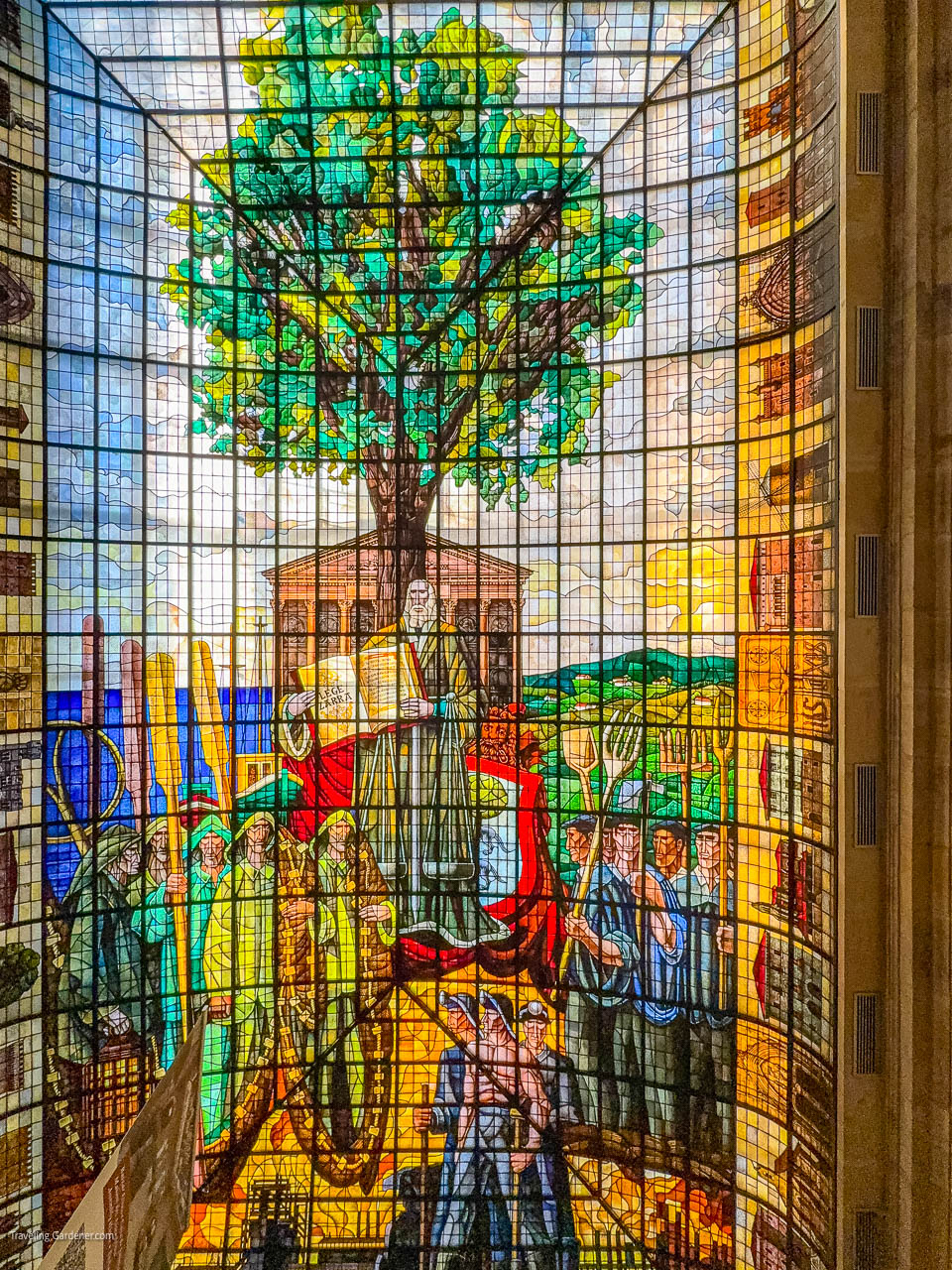
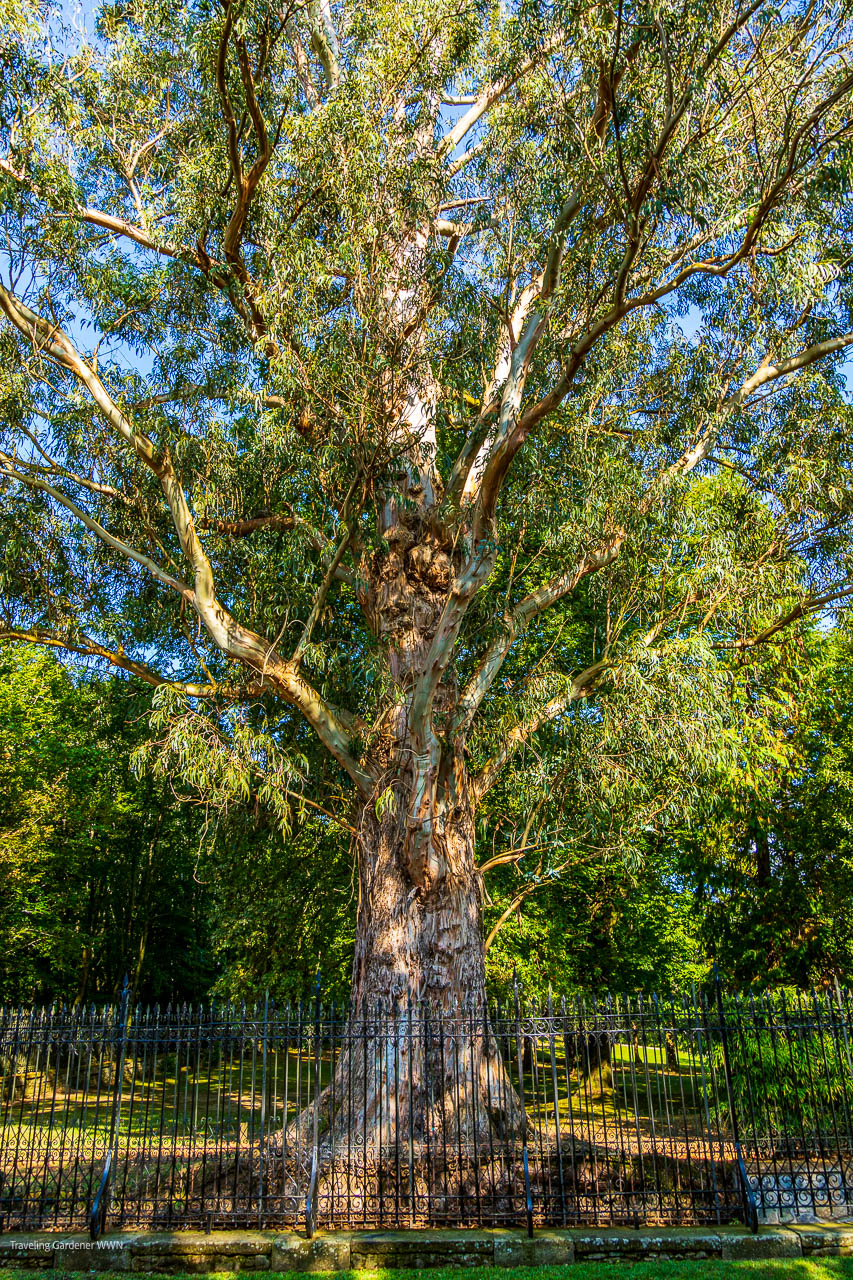
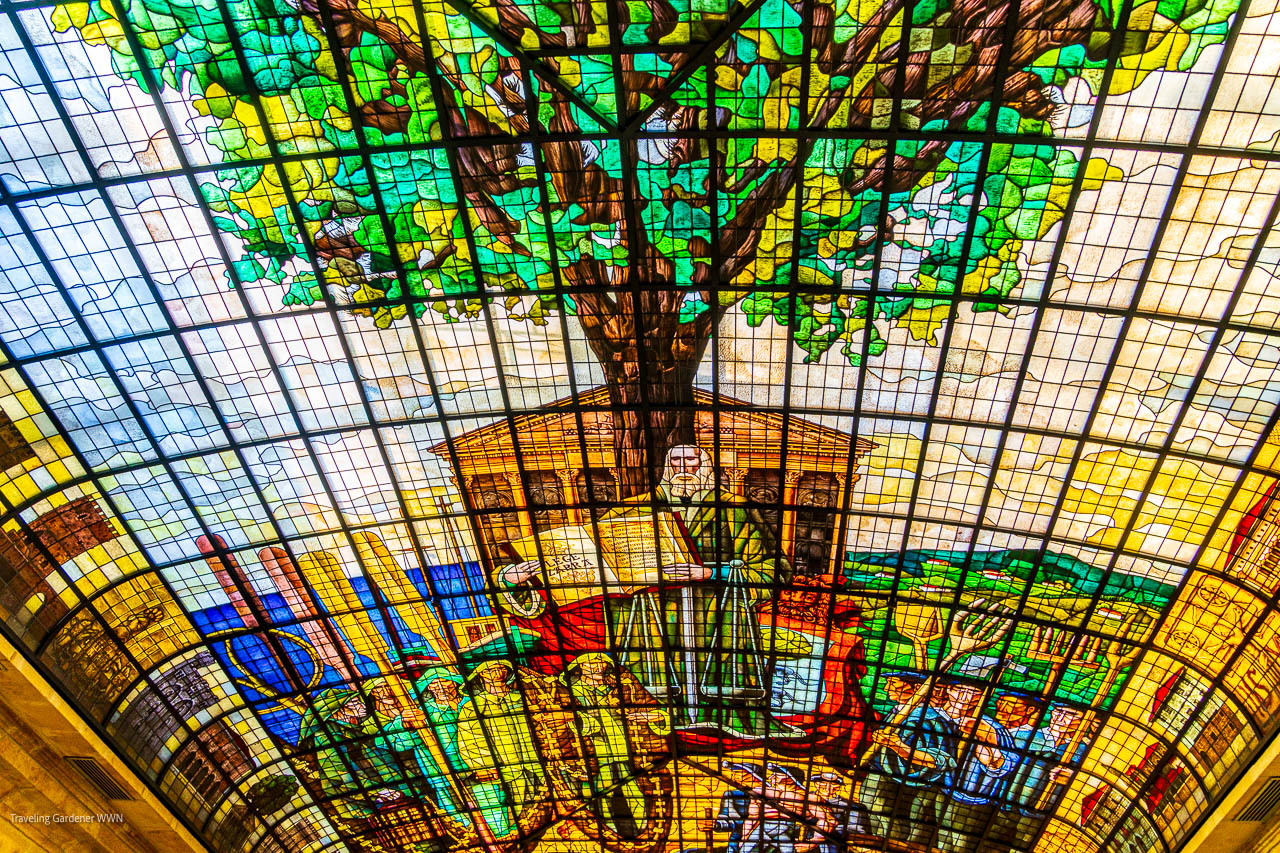
Before the borders of modern Europe hardened into lines of power stretching across the Pyrenees, the Basque people lived with a quieter kind of authority—rooted in land, language, and community. Since the Middle Ages, they governed themselves through local councils that gathered beneath the great oak of Guernica. That tree was more than a landmark; it was a living symbol of continuity. Its branches offered shelter, its trunk a place of assembly, and its roots a reminder that identity, like nature, is sustained through interdependence and preservation.
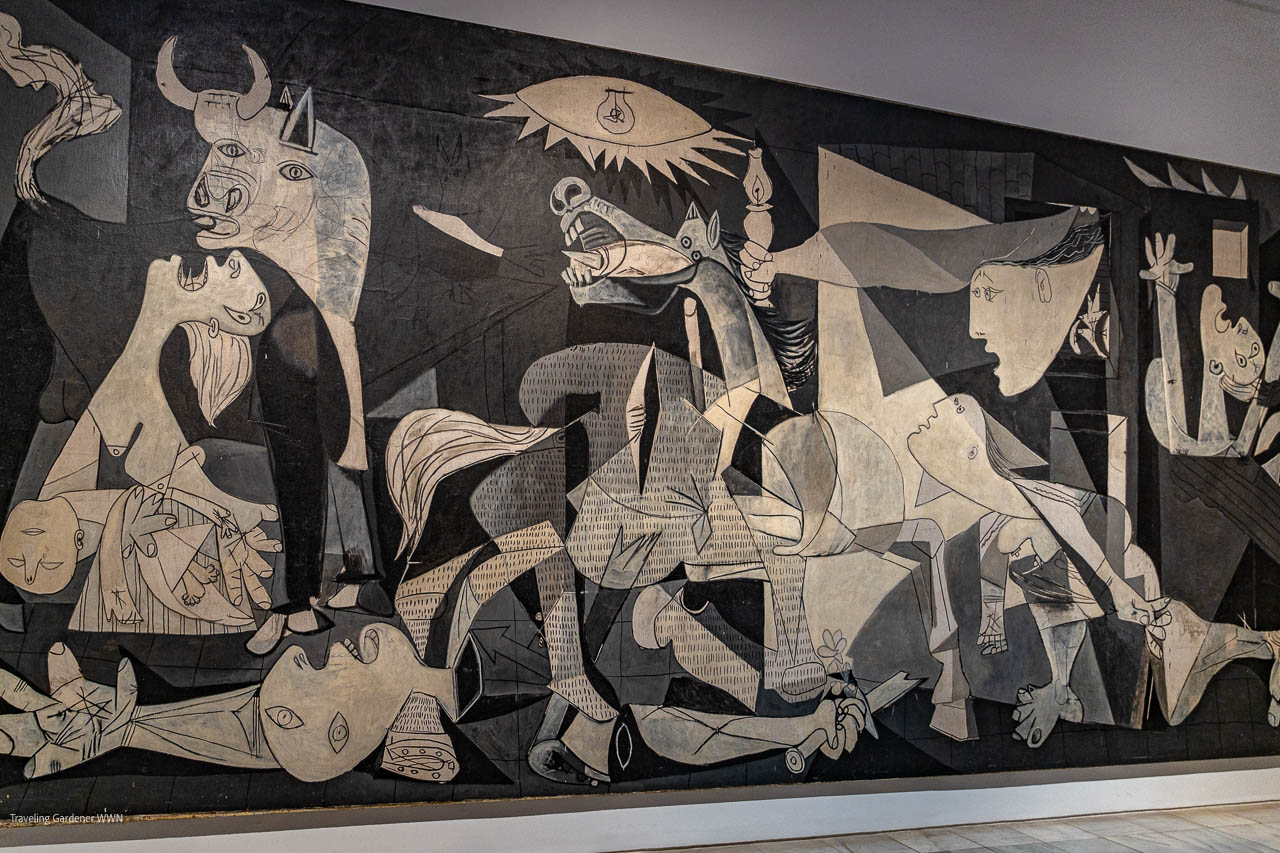
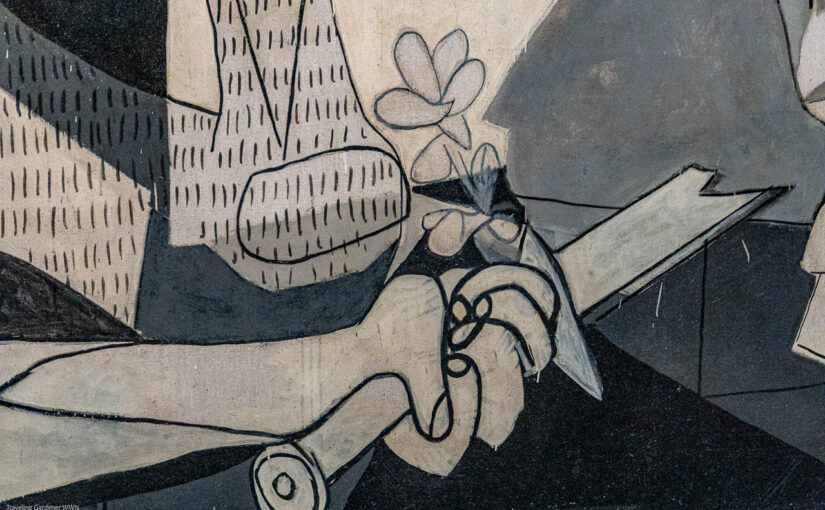
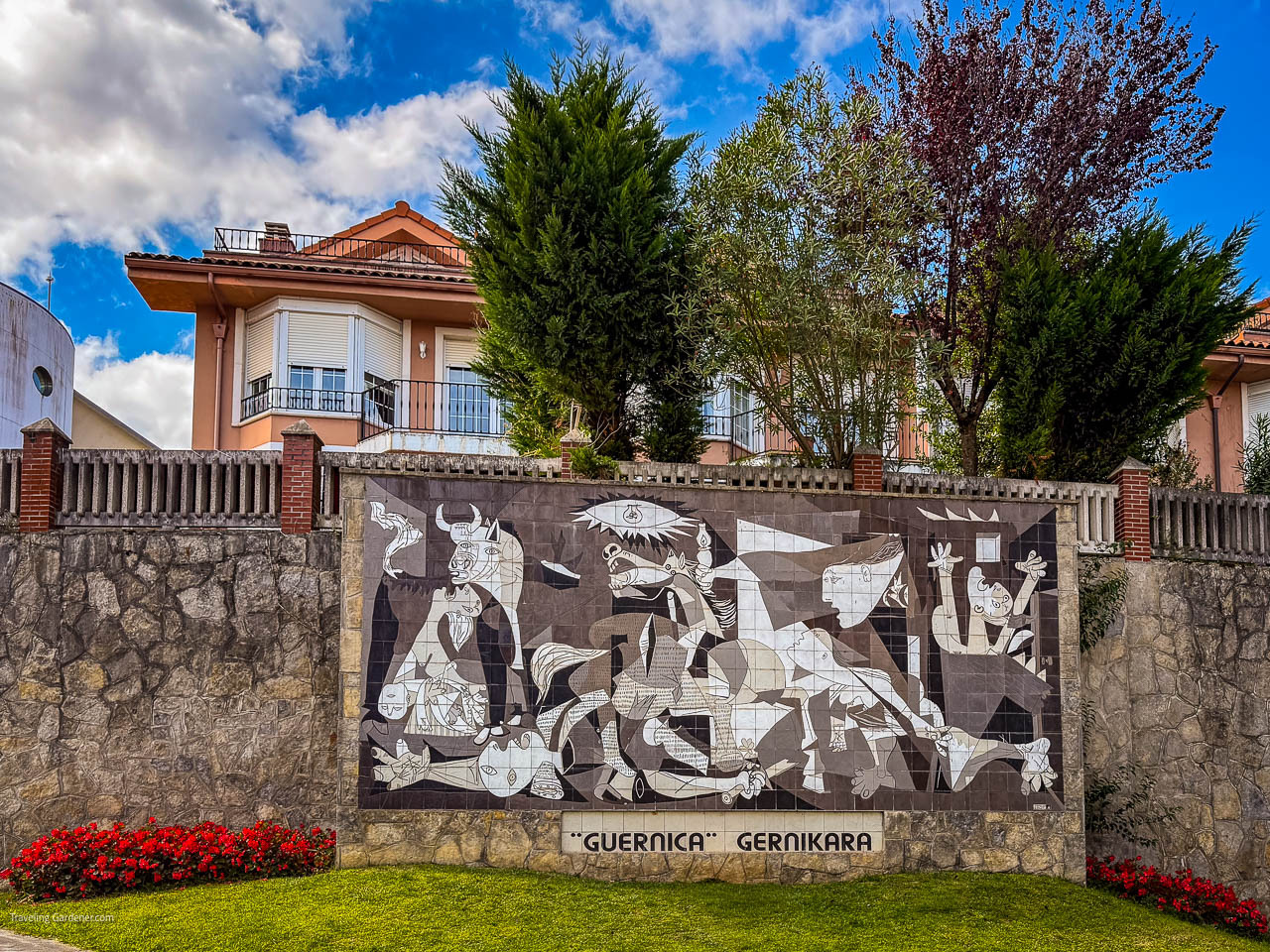
Years later, I stood before Guernica by Pablo Picasso in Madrid’s Museo Reina Sofía. The mural is immense—chaotic, anguished, and relentless in its grief. Amid the fractured bodies and contorted forms, my eye settled on a small, almost inconspicuous detail: a simple flower near the bottom center. Unlike the surrounding abstraction, it is delicate and childlike, with five clear petals.
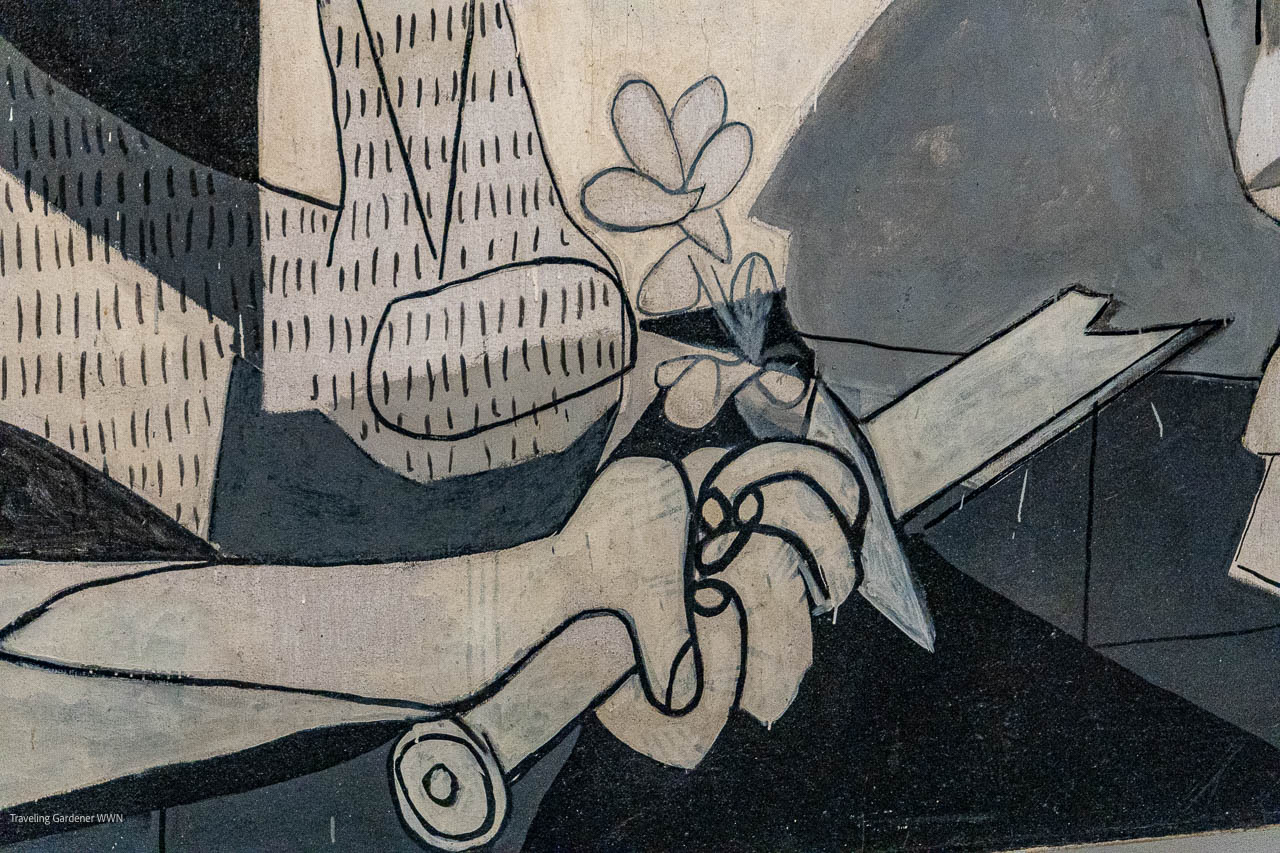
What does that flower mean in a painting defined by destruction? Some see hope, others defiance, still others a fragile insistence on life amid ruin.
Standing there, I began to see it not as separate from the Basque story, but as inseparable from it. The flower and the oak tree of Guernica survive. In Guernica itself, that connection deepens.
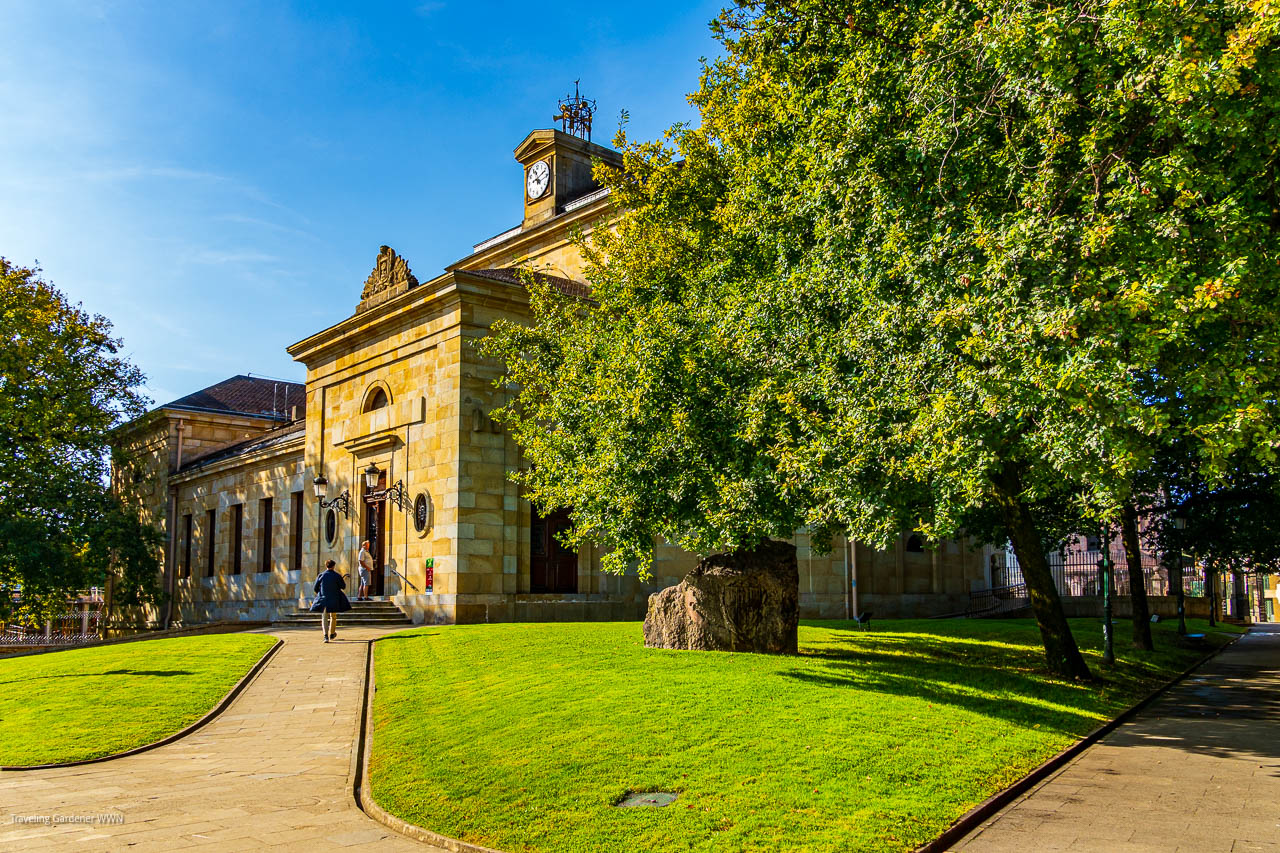
In 1989, the Guernica Peace Museum opened. Here, the past is not distant—it is underfoot.
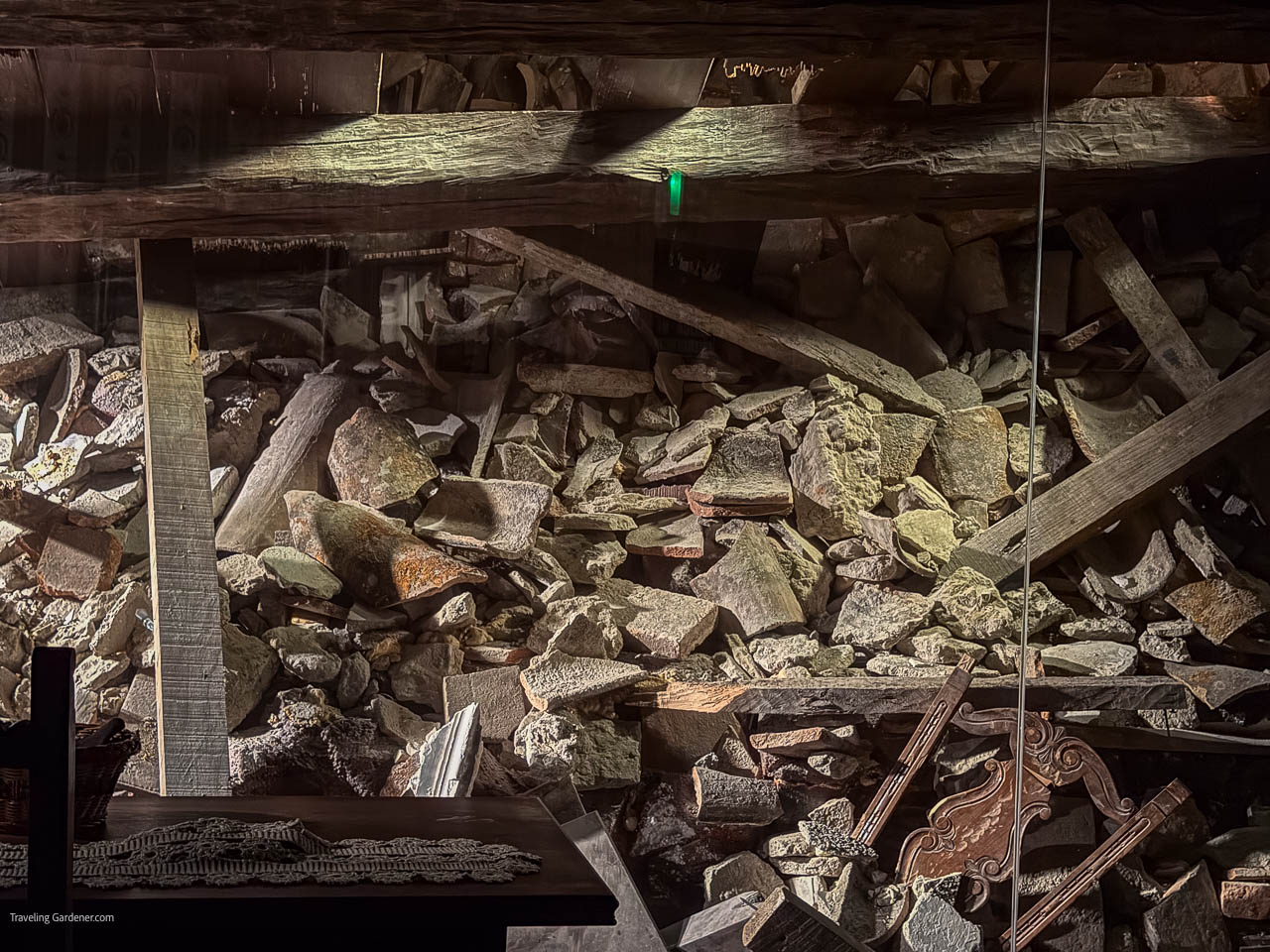
Visible through glass floors lie fragments of the destroyed town: broken ceramics, splintered wood, a charred toy, the remains of ordinary lives interrupted. Testimonies recount children playing moments before the sky erupted into fire. The destruction is overwhelming, but so too is the act of remembering.
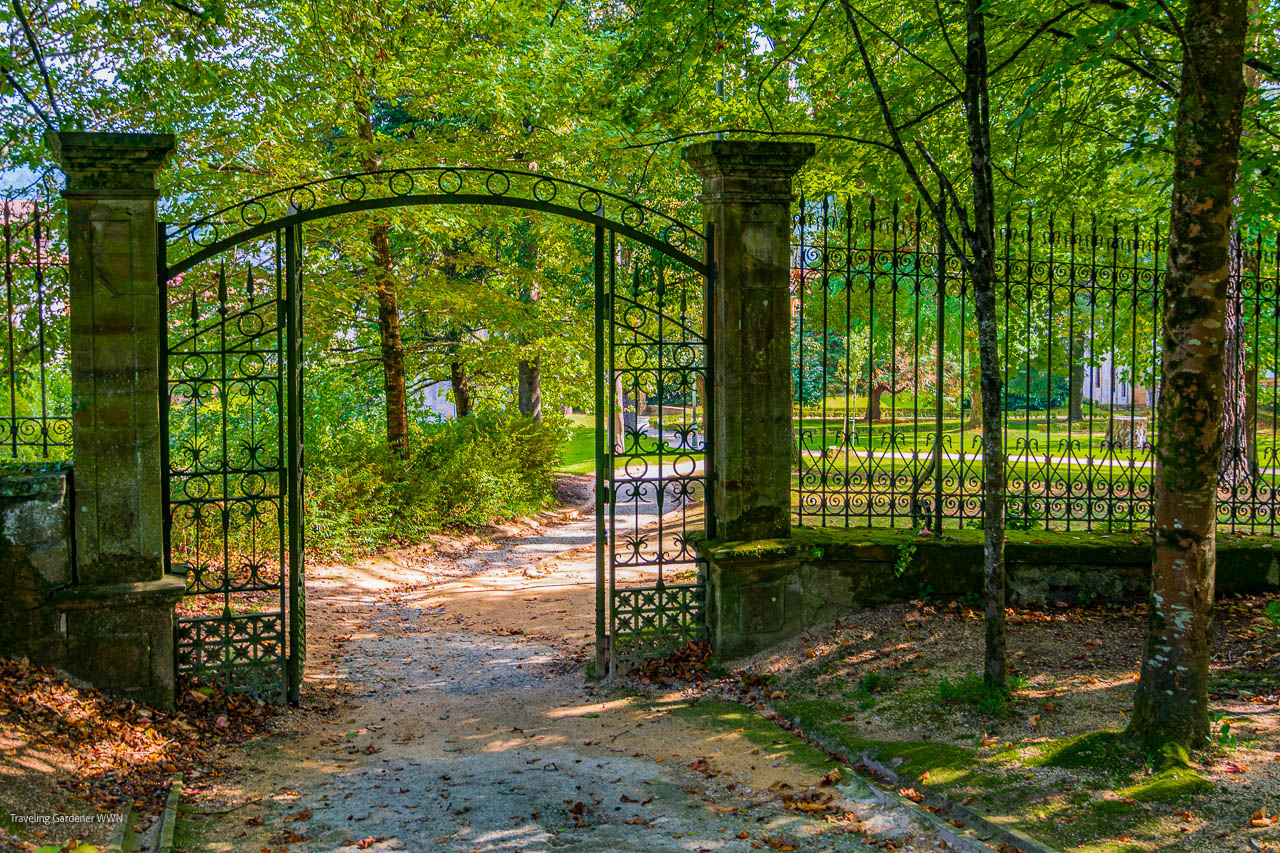
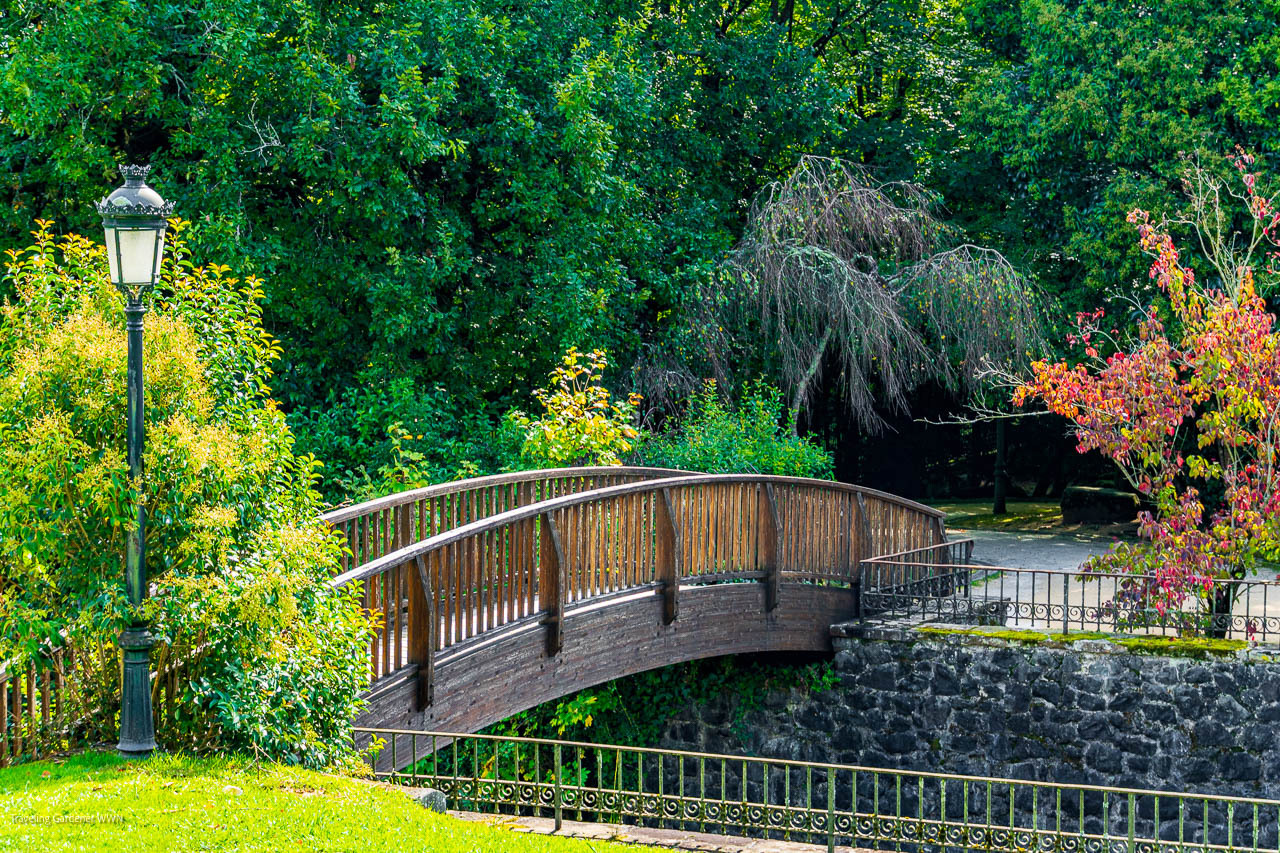
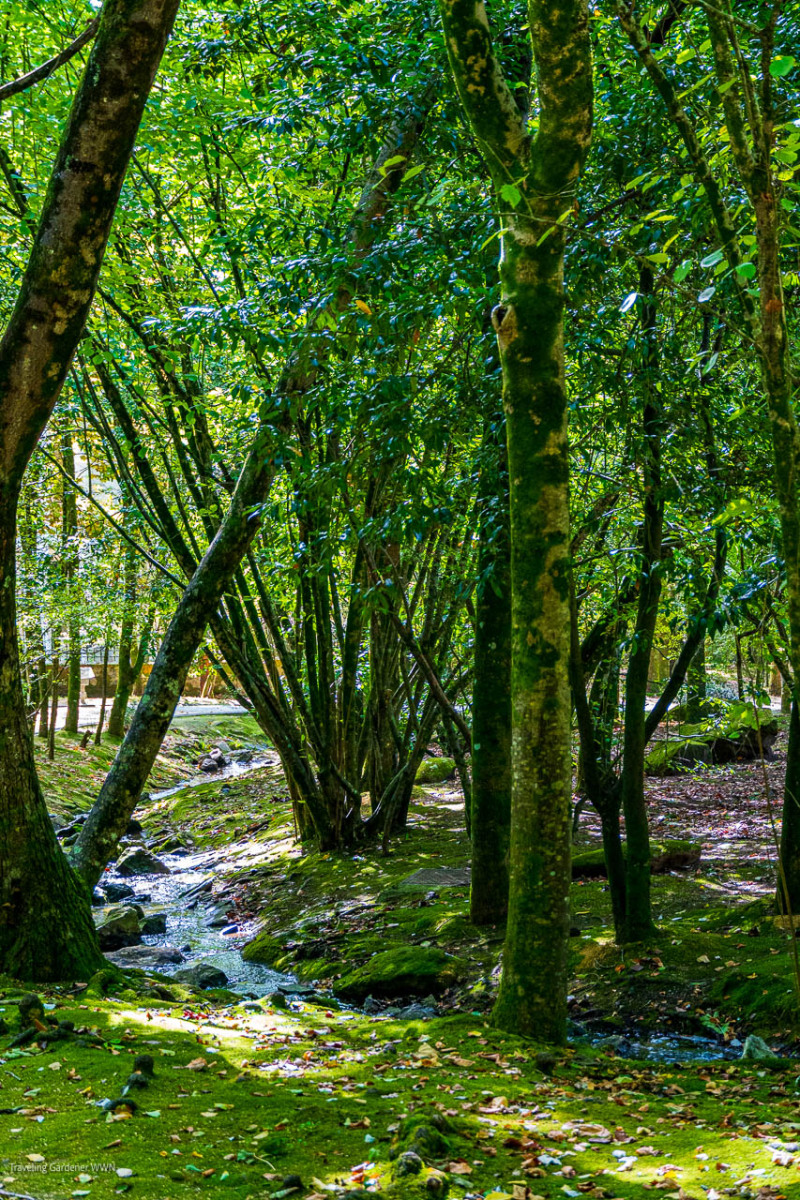
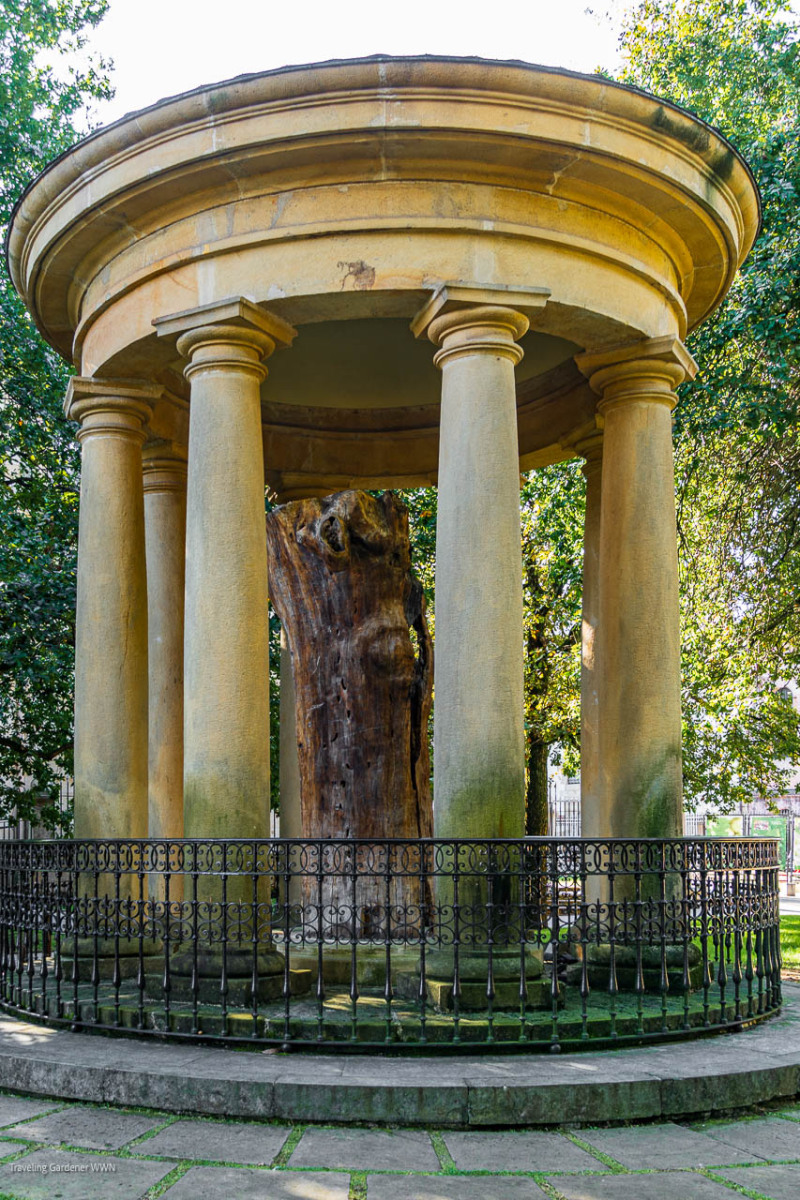
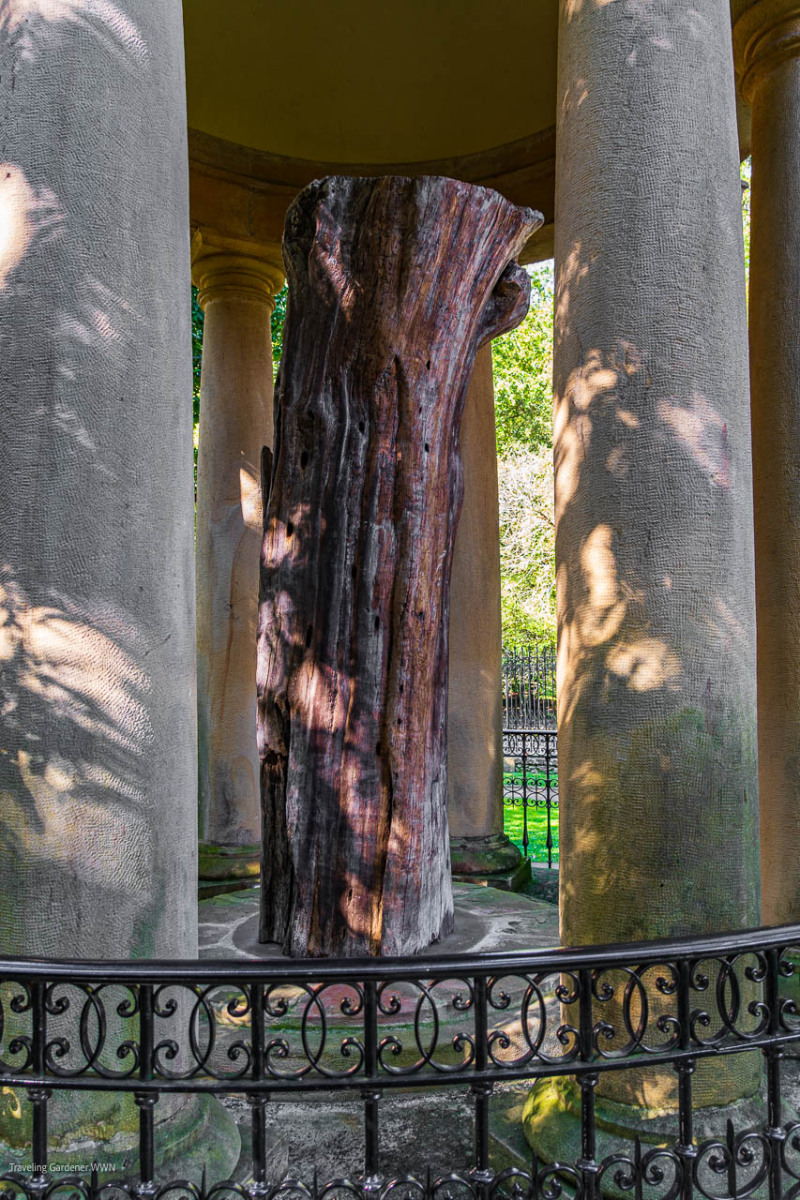
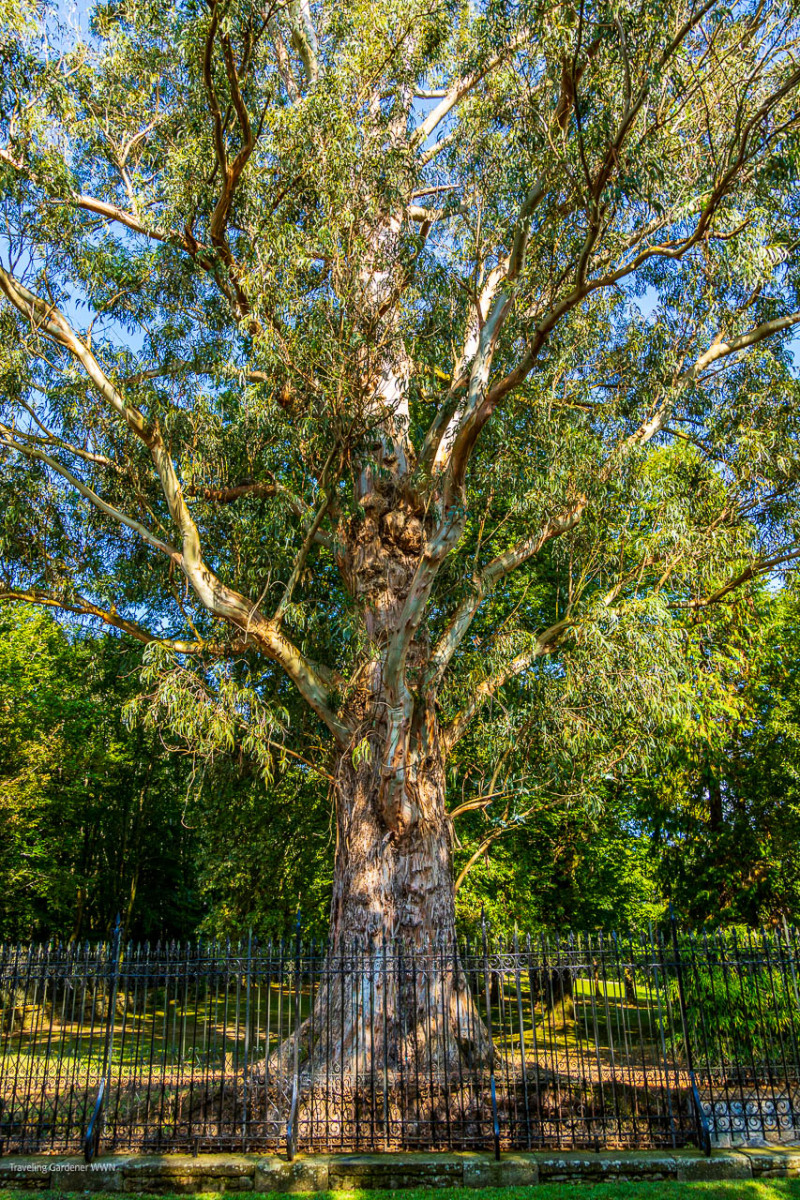
Outside, the museum opens into a quiet garden where a stream runs gently through green woodlands. There, the preserved trunk of the original oak is held within a sculpture, while nearby a new oak grows—living proof that what is rooted can return.
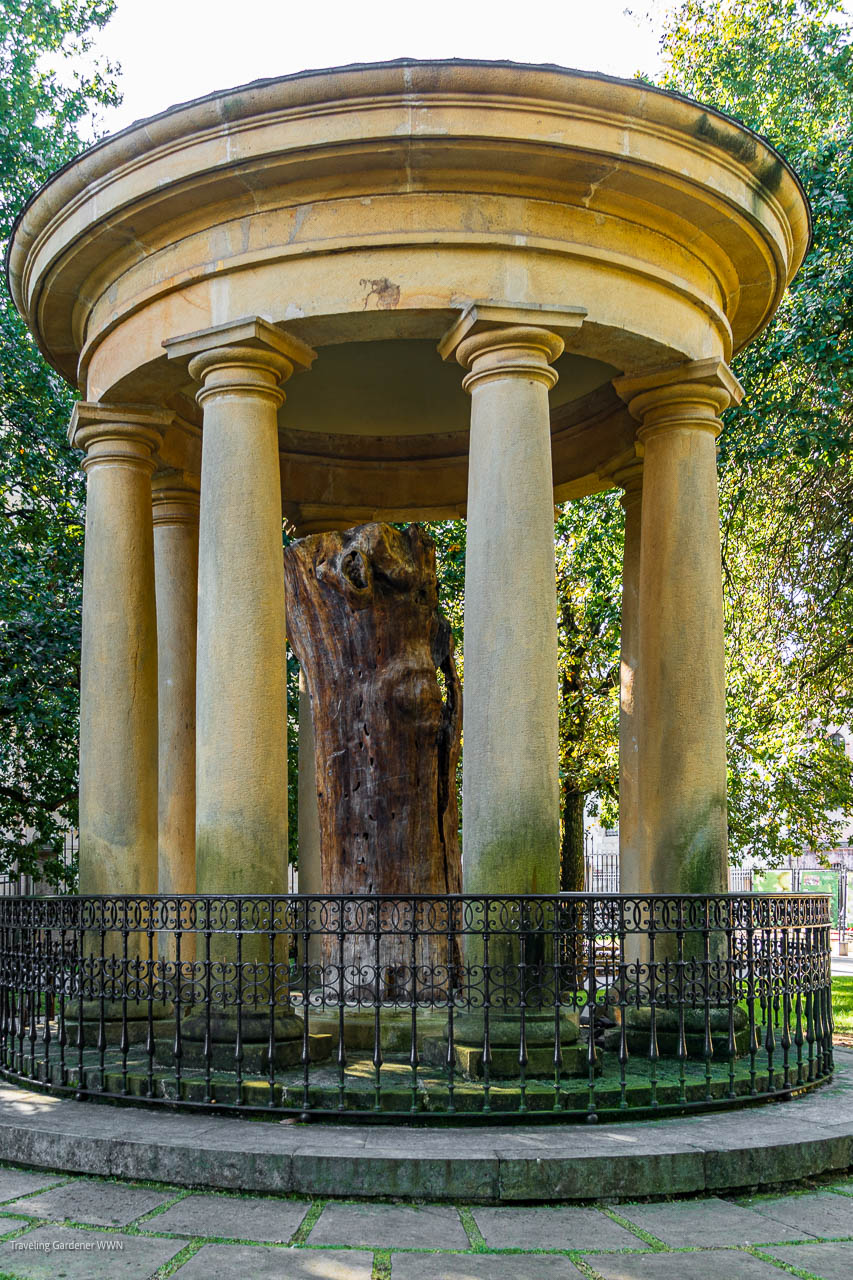
The transition from devastation to renewal is not symbolic; it is physical, visible, and ongoing. It is a history not to be forgotten.
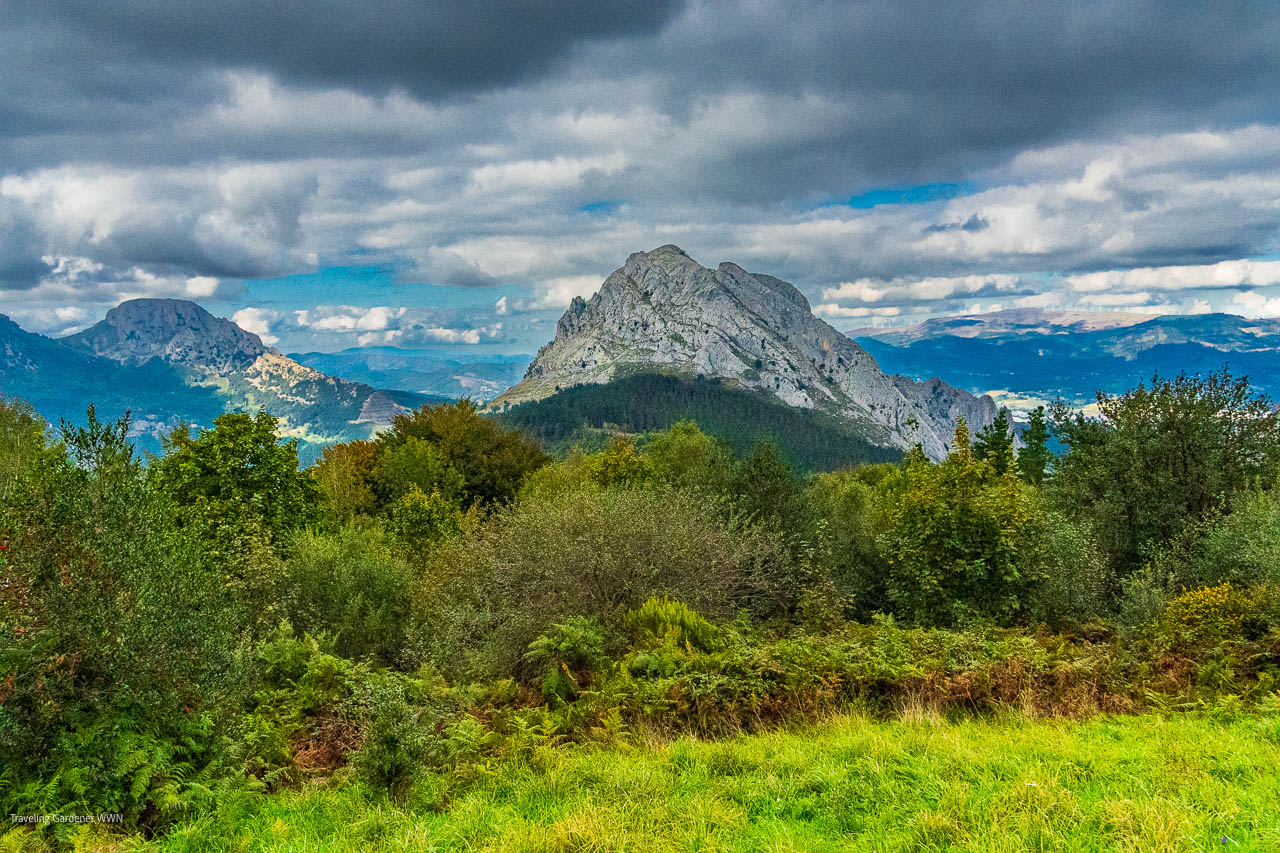
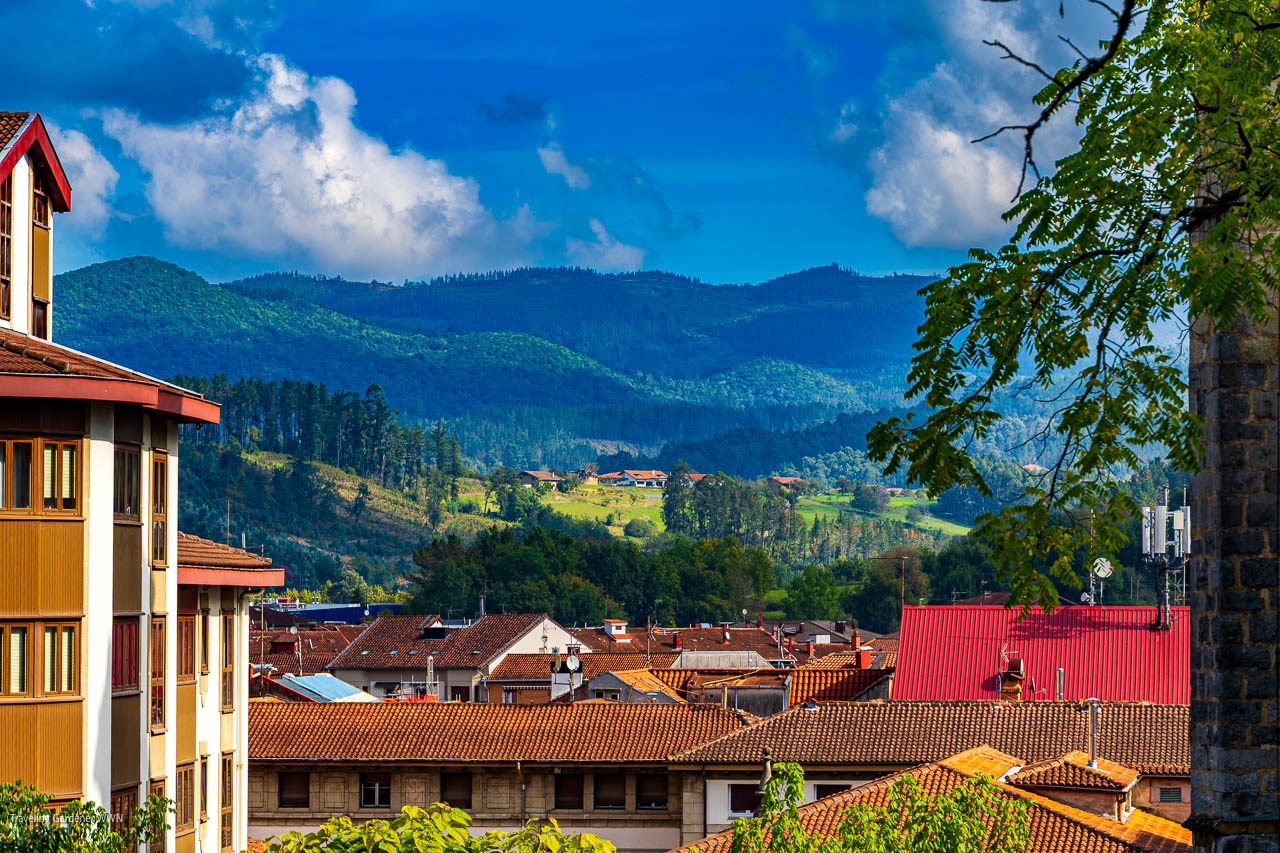
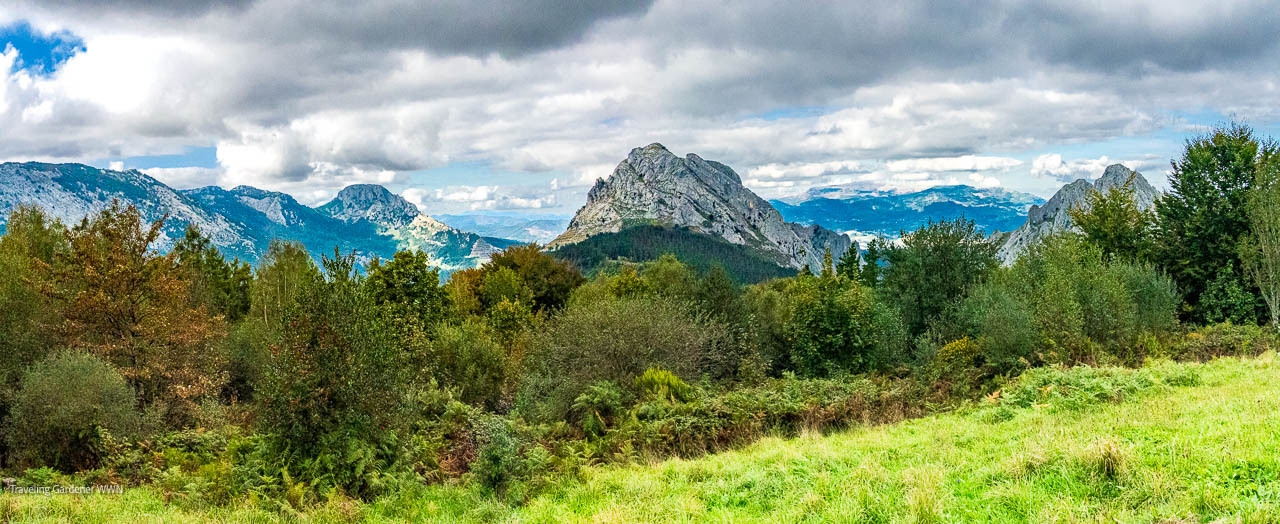
Driving into the rugged heights of the Pyrenees, it becomes clear that survival here has always required adaptation, memory, and strength. This is not a forgiving environment for the uninitiated. Survival here requires mentoring through generations. These are the same qualities embodied by the oak tree—and, in quieter form, by Picasso’s flower.
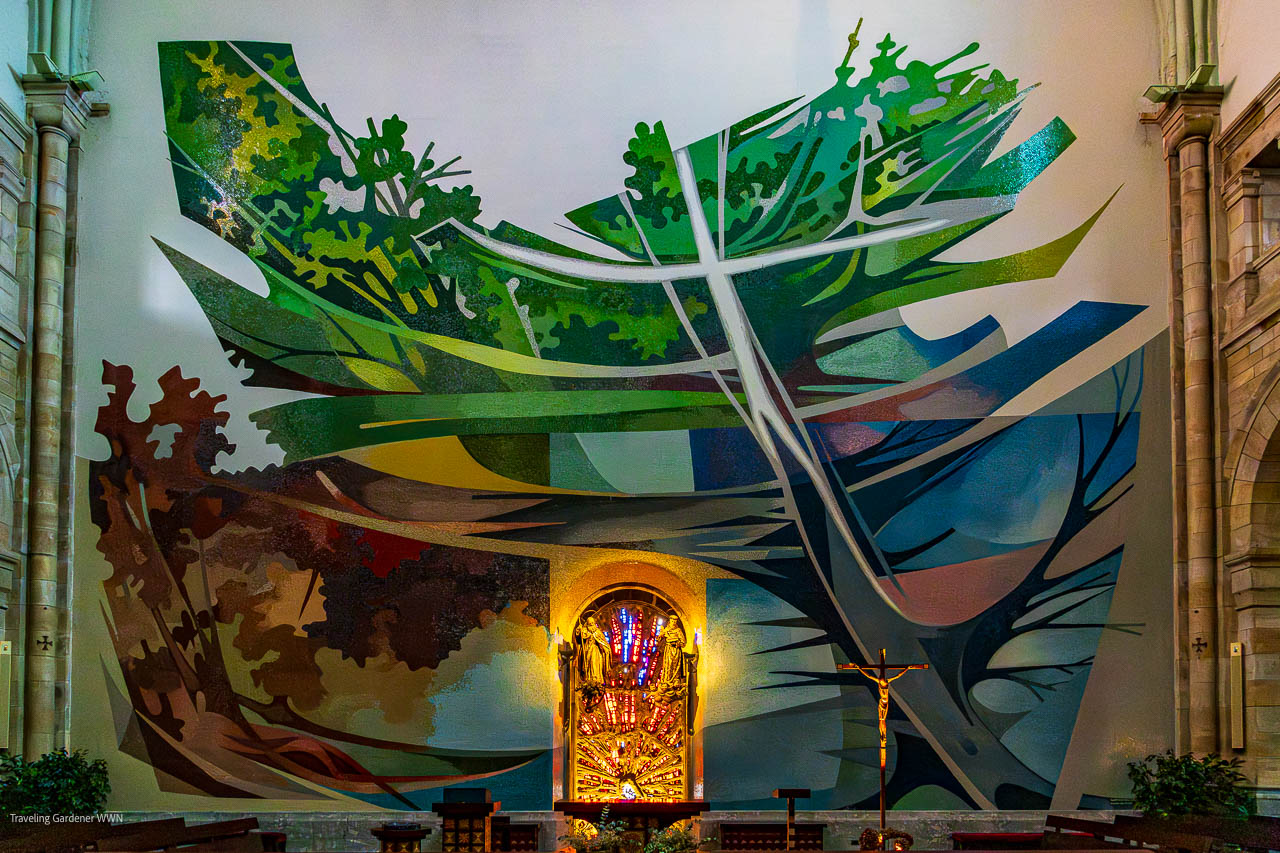
The oak tree and the flower are not opposites; they are reflections of the same truth. The oak represents endurance across centuries—deep roots, collective identity, and the strength to withstand storms. The flower, small and easily overlooked, represents the persistence of life in the immediate aftermath of destruction. One is ancient and grounded; the other is fragile and fleeting. Yet both encourage life.
Travel often reveals what we did not know we were missing. In the Basque Country, what emerges is a lesson in resilience: that even after devastation, something grows. Sometimes it is as towering as an oak. Sometimes it is as small as a flower painted in the center of a shattered world. The words of Pope Leo XIV in April 2026 ring so true, “It takes only a moment to destroy, yet often a lifetime is not enough to rebuild.”
Hi Linda, What an interesting article! Among all disasters everywhere, NATURE rules. I also enjoyed reading the interview article. Thanks for sharing.
Thank you Josephine. . .it was quite an experience to visit there.