When I was 10 years old I read a novel about two student nurses spending a summer at an adventure camp in Maine. I read about the blue ocean water, the sun sparkling on the ripples lapping the craggy shoreline. I saw the bright blue skies with white puffy clouds floating overhead. I could smell the pine trees and hear the loons calling in the night. I don’t remember what happened to the girls at camp, but I remembered those images of a state so far away. Oh so many years later it was all as I pictured it when I arrived in Maine this summer. Maine has a magnificent color scheme of blue ocean, green trees, and white puffy clouds against an endless blue sky. Yet even with so much natural beauty all around, in 1991 a small group of residents came together to promote the idea of building a botanical garden for Maine. They believed a garden would “protect, preserve and enhance the botanical heritage and natural landscape of coastal Maine for people of all ages through horticulture, education and research.” (Mission statement, website)
Blithewold Mansion and Gardens, Bristol, RI
The Blithewold, Mansion sits surrounded by woodlands and a grand lawn looking out on an ocean view. Established in 1895 the last surviving family member lived in the home until 1976. These old estate gardens change over the years but some specific elements remain to help you see what was there. The word Blithewold means “happy woodlands” and so trees were an important part of the landscape. A 90 yr. old Sequoia is doing very well.
The Blue Rose, an English Garden Mystery by Anthony Elgin.
Retired Botany Professor Lawrence Kingston is called in to examine the authenticity of a sapphire blue rose growing in Alex & Kate’s English garden. Then a mystery begins without the blood & gore of so many mystery tales but with intrigue surrounding the ins and out of the rose industry, including gardening practices, vividly rainy days, strong tea and beautiful gardens. Antony Elgin is a gardener, award winning rosarian and producer of a series of best selling garden videos. Originally from England he lives in California where his “pint-sized garden was awarded Garden Design magazine’s Golden Trowel Award.” His English Garden Mystery series with Dr. Lawrence Kingston sleuthing his way through the plants and plotting includes six titles, the latest, The Alcatraz Rose includes action in San Francisco. These books are highly entertaining for a gardener as the horticulture insights are delivered along with a good story. Other titles in the series I’m eager to try include, The Water Lily Cross, Gardens of Secrets Past, The Lost Gardens, The Trail of the Wild Rose. If you are a fan of PBS’s Rosemary & Thyme mystery series you will enjoy these books.
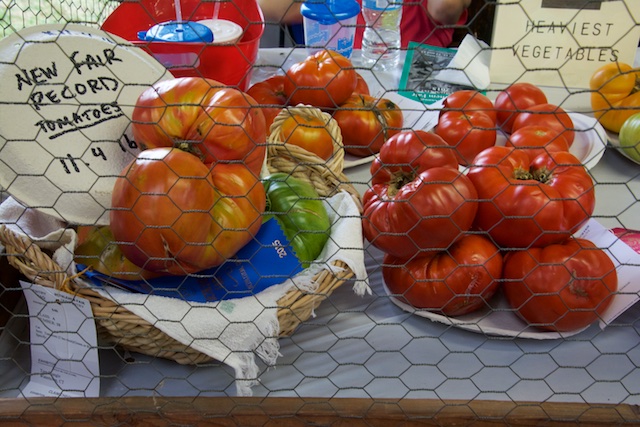
The Bethlehem Fair
Visiting gardens I see so many beautiful plants growing from the ground, on the vine, the bush, the stem. Yet gardeners have a bit of a competitive streak and when fair time rolls around the very best of the garden is picked, cleaned, and shined to taken to the fair. The Bethlehem, CT fair had some great garden specimens on display.

Garden of Art & Flowers- Feature
This article appears in the September 2015 issue of Phoenix Home & Garden. It features our home garden. The copyright access to the photos expired, so I’ve added a gallery of similar images at the end. Hope you enjoy the tour.
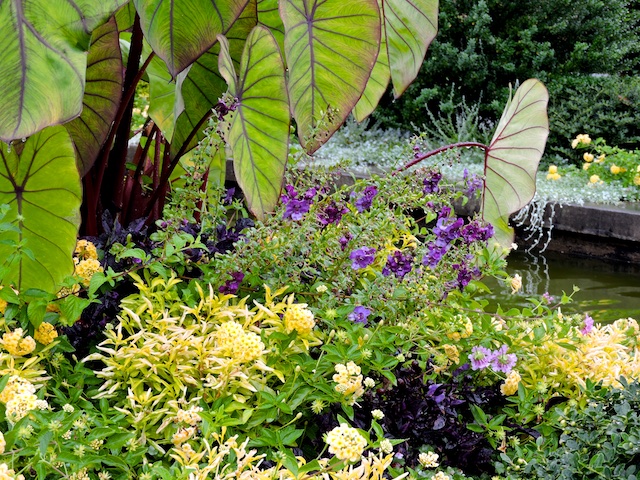
Untermyer Park, Yonkers, NY
There are truly special days when I wander into a garden and it is perfect and it was just such a day at Untermyer Park. It is a walled garden, the size of a football field. Persian gardens inspired the creation of this walled space with its four quadrants defined by low water ways. Classical Greek columns and a Temple to the sky are part of the white stone framework of the space. In 1922 it was described as “America’s Most Spectacular Garden.” Now as a public park of NYC it underwent a revitalization beginning in 2011. This year’s planting worked with a limited palate of plants with black foliage, deep purple, lavenders, chartreuse and spots of yellow. The plants were elephant ears, sweet potato vine, verbenas, anemones, and hostas. Mid September, put the plants at a peak of growth. Enjoy the photos and if you are ever in Yonkers, NY, do stop and be dazzled!
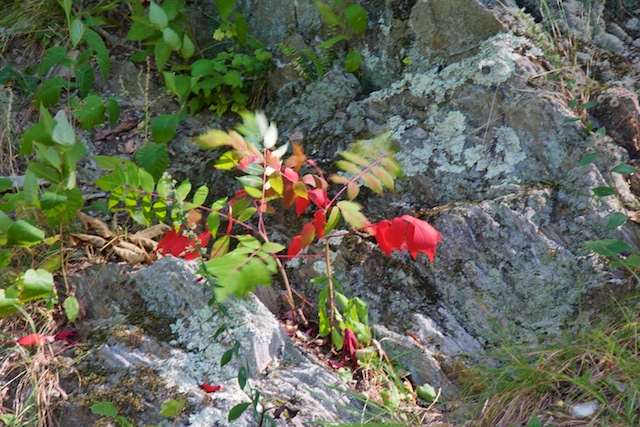
Innisfree Gardens, Millbrook, NY
“I will arise and go now, and go to Innisfree.”
W.B. Yeats, “The Lake Isle of Innisfree” (1888)
A garden with a Scottish poet’s reference for its name, a woodland plant palate, a lake and a Asian influence creating a garden of individual style. This isn’t a flower garden, yet there are blooms. This isn’t a Chinese garden, there are no statues of Buddha. This is a woodland of trees, moss and ferns. Set among all of these ideas are stones creating pockets of space for a visitor to linger and inhale the scent of trees, and contemplate the intimate space within the 200 acres of grounds. A landscape designed by one inspired landscape architect , “Lester Collins, FASLA (1914 – 1993), with important contributions by his clients, artist and teacher Walter Beck
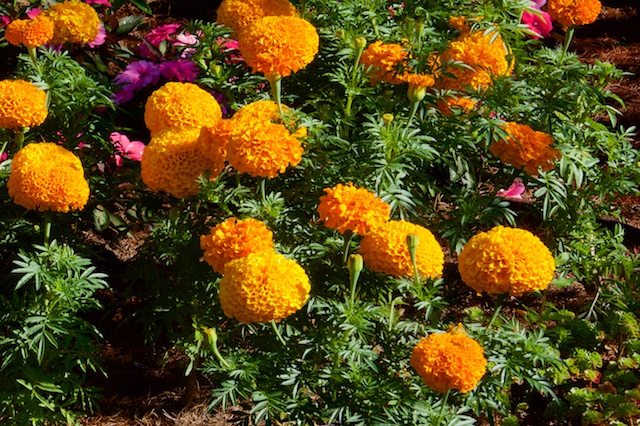
Vall Kill Cottage, Eleanor Roosevelt’s favorite place
I am not alone in my admiration for Eleanor Roosevelt and the contributions she made during her life. She is, I believe, one of the most remarkable, compassionate, empathetic individuals to influence our country’s history. Her cottage, Val-Kill (Kill is Dutch for Stream) is part of our National Park System in Hyde Park, NY. Touring her home you see a comfortable, welcoming space which was visited by famous and infamous leaders from around the world. She was not only First Lady of our only four term president, author of 13 books, 7000 “My Day” newspaper columns, first U.S. representative to the U.N and author of the Universal Declaration of Human Rights, to name just a few of her accomplishments she was also considered the First Lady of the World. Looking through “A Personal Album by A. David Gurewitsch’s book about Eleanor, I was stunned to see this photo of her gathering flowers from her garden to bring into her home. She loved having fresh flowers especially marigolds in her home, and enjoyed arranging them for her guest’s room.
Trees, Gardens and Students
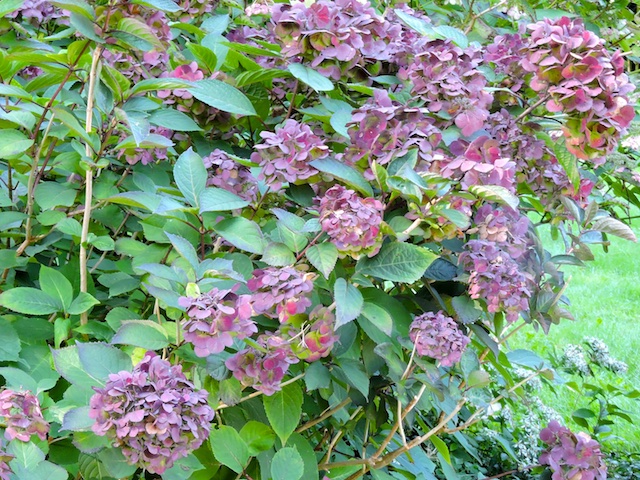
It is fall and students have returned to college campuses across the nation. I have a listing of the best college arboretums and botanical gardens and I plan my travel to visit as many as I can. I’ve long appreciated the beauty of a college campus. Just this week while traveling in the Northeast I’ve explored Wellesley, Smith and Amherst colleges. Botany has long been an important field of study, though the education of a Naturalist has fallen out of favor. Micro-biology and genetics are programs with great appeal today and both continue to advance the science of horticulture and other areas of study.
Blooms Upon the Water
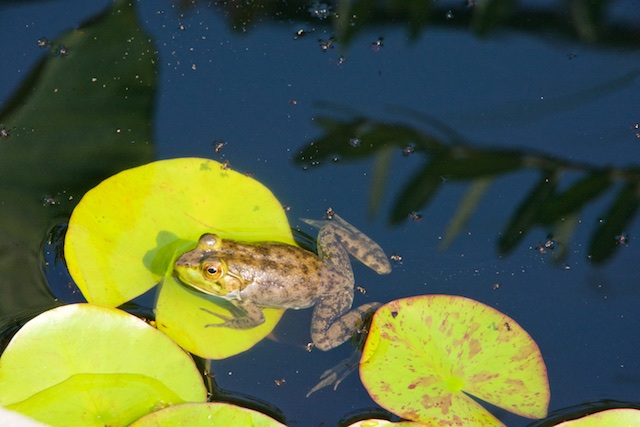
Monet wrote of his pond at Giverny,
“It took me a long time to understand my water lilies. I had planted them for the pure pleasure of it and I grew them without thinking of painting them…And then, all of a sudden, I had the revelation of the enchantment of my pond. I took up my palette. Since then I’ve had no other model.”Monet’s Water Lilies, Vivian Russell